The museum is a business, so we must know who our visitors are.
The success of a museum is highly dependent on how much the institution understands the audience through “identifying the audiences; offering surveys to visitors; analysing the attendance; and conducting audience research” (Vergeront, 2011). When the museum understands who the audience is, it can more easily identify which areas it should work on to increase the audience’s interest. For instance, the Museo Egizio in Turin, an Italian museum, is a good example of achieving financial and community-oriented success. It has done so by engaging with its community, working with it and adapting, resulting in good attendance, staying relevant and respecting its mission. The Museo Egizio has understood that museums are successful when engaging with their communities in more interconnected ways, considering the diverse public. For instance, this museum collaborated with the Liberi di Imparare project (Free to learn) with the city’s penitentiary institute and Turin’s art schools.
Let me explain more in detail…
The “Free to Learn” project is a collaboration between the Museum, the management of the “Lorusso-Cotugno” prison, with the rights of persons deprived of personal liberty of the Municipality of Turin. Two schools, the technical institute and the school of arts, have collaborated with prison school sections. The classes have been transformed since 2018 into workshops involving the inmates in creating and decorating replicas of finds from the museum’s collection. With this project, the museum is working with a community generally excluded from society, bringing a youthful community and creating revenue for the museum.
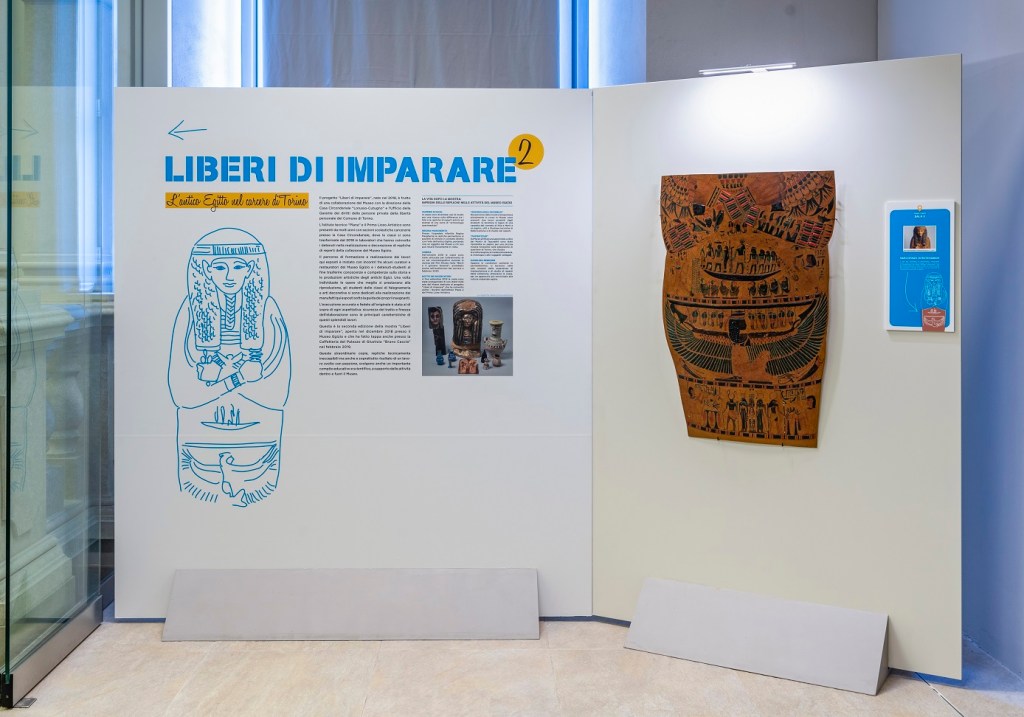
The business of museum is a collective effort.
Setting the Three Cs: Culture, Commerce and Community.
Museums are a joint effort, so people working in the museum must have collaborative qualities. They must collectively set the course mission and focus on the museum’s mission. Setting the Three Cs: culture (core purpose), commerce(funding and resources), and community management of multiple stakeholders can help the museum be successful(Business School 2017, p. 13). While looking into different museum positions, especially leader positions, museums seek a leader who can influence, motivate, and enable individuals or groups to work collectively toward achieving the museum’s mission. Preserving collections is a critical mission, sustaining itself by being active and using its full potential, that is, its staff is as essential. Even more so, a good leader has to have the ability to identify and implement revenue-generating opportunities(United States Space Foundation). A museum leader must collaborate, infusing it with the museum staff’s concerns, needs, hopes, and dreams(Scott, 2024, page 9). In the past, the idea of ‘collaborative leadership’ focused on collaboration between the Director and staff. Now, collaboration is far more relevant, as it engages many voices more equitably and creates new models of cultural exchange and experience where people can find beauty, inspiration, meaning, and relevance( Scott, 2024) and how museums function within a broader economic framework.
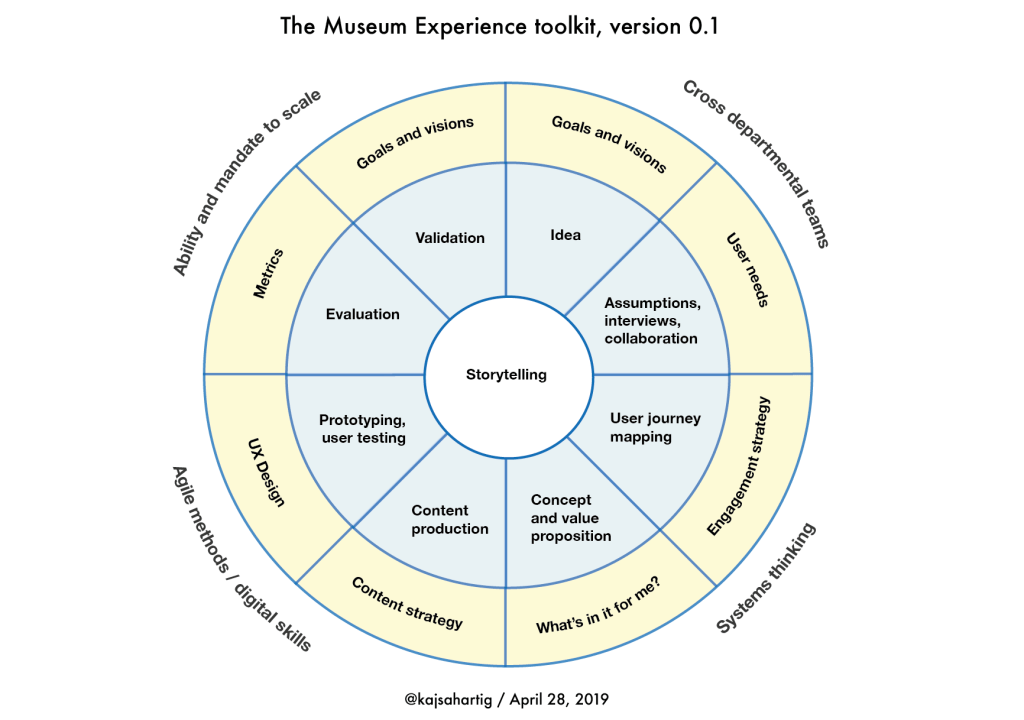
The brain of the museum: Digital technology connects the public with its art work.
Many museums worldwide started investigating more advanced use of digital technology during the COVID-19 pandemic, resulting in more ideas and possibilities to enhance the public experience. Staff use sensors, trackers, and interactive museum technology to achieve higher levels of personalisation. The data helps assess how visitors use facilities and identifies opportunities to improve accessibility or increase personalisation (Horizon Report,2016). Digital technology allows museums to reach communities that are more isolated and helps museums understand the community they are working with. Using technology platforms, the museum can connect with the world outside or with other museums, giving a multi-dimensional view and interpretation of the artwork/exhibition. Christian Greco, director of the Egyptian Museum in Italy, says that digital technology and innovation must not become the goal but the tool for expanding knowledge and possibilities. Digital technologies allow us to understand the object on a deeper level. We can discover a great deal from the epidermis of mummies or, again, analyse a painting and study the painter’s work(Christian Greco).
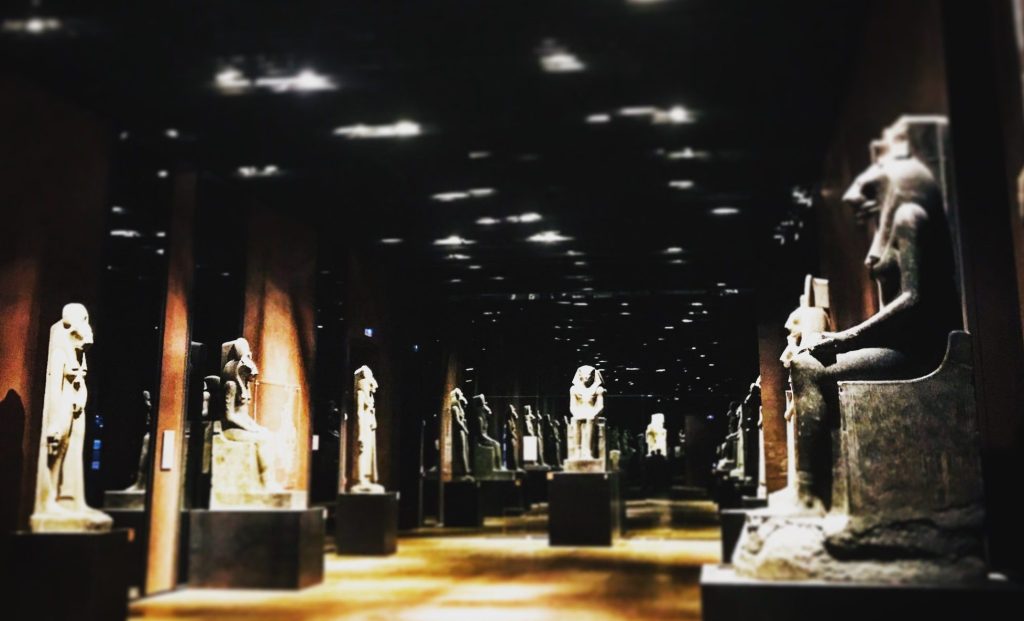
The value of the museum is measured by its communities’ interactions.
“Philippe De Montebello, former director of the Metropolitan Museum of Art, argued that no 21st-century institution can exist by divine right and must maintain a solid relationship with the social fabric it is part of. Every museum must earn its right to exist.”
Mary-Frances Winters made several distinctions between diversity and inclusion. She says diversity is not about counting heads but about making heads count. Organising exhibitions that bring in a diverse public is not enough. The diverse public is the one we should be listening to. The museum’s work is to research how to be inclusive within itself, and the interpretation of the museum’s artwork will reflect the outside world. Museums must do careful research in collaboration with all groups and minorities; we must listen and then act. Another way to describe the difference between diversity and inclusion is to define diversity as a noun describing a state and inclusion as a verb, in that to include requires action. The role of the museum is to represent every angle of history. To do that, we must consider the heads and make them count. Mary Jacob refers to “generous reciprocity” between artists, curators, galleries, audiences and communities. (Mary Jane Jacobs, What We Want is Free: Generosity and Exchange in Recent Art, New York, Sunny Press,2004). When the public can feel completely engaged, the museum has become valuable to its community.
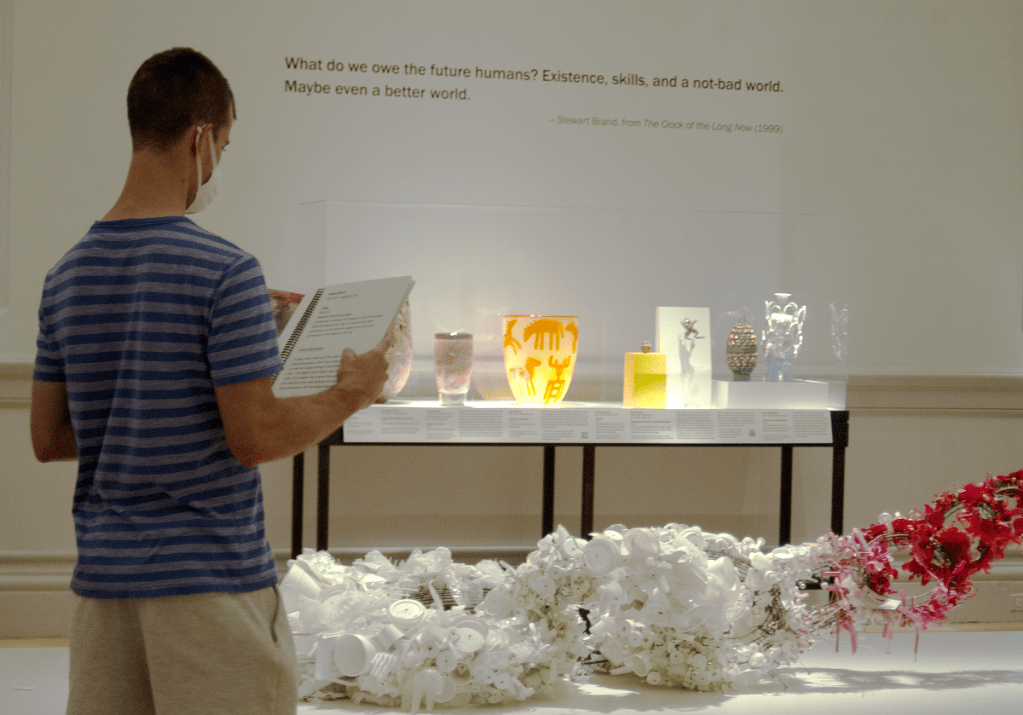
In conclusion: Museum,Business and most importantly Public!
Museums can open our minds, hearts, and souls and teach history with a more profound and greater understanding. The museum makes us feel we belong to a community as we discover its history, and it gives us essential tools to interpret the part of history that is not often told in books. With so many different museums to appease the various public, with the hard work of historians, curators, archivists, and artists, those who work for a museum must understand the museum’s business, that is, the financial aspects and what role each individual has in the organisation. Museums are businesses, so the public becomes the focus with their exhibitions and history. Museums play an active role in our community. We can grasp that the museum’s most important mission stems from the public. Museums that work with their community and investigate what moves the public are successful in their mission. Museums come in different shapes for different roles. If we look at museums such as SITE Santa Fe, The Museum of Science and Industry in Chicago, PS1 as examples, their success comes from attentive research in what are the trends, they fully understand their mission, the public they serve and work continuously to be innovators in their field, to attract as much public as possible. Museums are institutions of public service and education, a term that includes exploration, study, observation, critical thinking, contemplation and dialogue (page 309, Museum Administration 2.0). This country’s rich history makes a good case for small museums and historical houses; without them, we would not know much of American history. Smaller museums play an essential role in the community, as they preserve their cultural identity and the history, bad or good, is necessary. As Frieser says: There are local history museums that preserve and interpret the history of the town or country within which they reside (The Small museum toolkit book leadership, mission and governance, Chapter 2, Making a case for small museums, page 49). Historical houses and smaller museums have smaller financial resources. Therefore, they have to be creative, and everyone working in the organisation needs to be united in their mission to be successful.
Resources:
Anand, R., & Winters, M. F. (2008). A retrospective view of corporate diversity training: From 1964 to the present. Academy of Management Learning & Education, 7, 356–372
Caltin-Legutko Cinnamon and Stacy Klingler,(2012). Small museum toolkit book leadership, mission and governance, Chapter 2, Making a case for small museums.
Emerging From Crisis COVID-19 – CAMD. https://camd.org.au/emerging-from-crisis-covid-19/
«The future of museums? On-site and online ». Interview with Christian Greco, director of the Egyptian Museum of Turin. 7-09-2021. Featured in HP News. https://festivaldelfuturo.eu/en/2021/09/07/il-futuro-dei-musei-on-site-e-online-intervista-a-christian-greco-direttore-del-museo-egizio-di-torino/
NMC, Horizon report, 2016. https://www.learntechlib.org/p/182007/
Jacobs, Mary Jane 2004. What We Want Is Free: Generosity and Exchange in Recent Art, New York, Sunny Press.
Scott, C. (2024). Museum Leadership: Where to from here? In Babic, D. (Ed.), International Perspectives on Museum Management. (1st Ed.). Taylor & Francis Group.
Vergeront, J. (2011, May 2). Engaging Audiences Strategically. Museum Notes

 Museum studies