Without an exhibition, we do not have a museum.
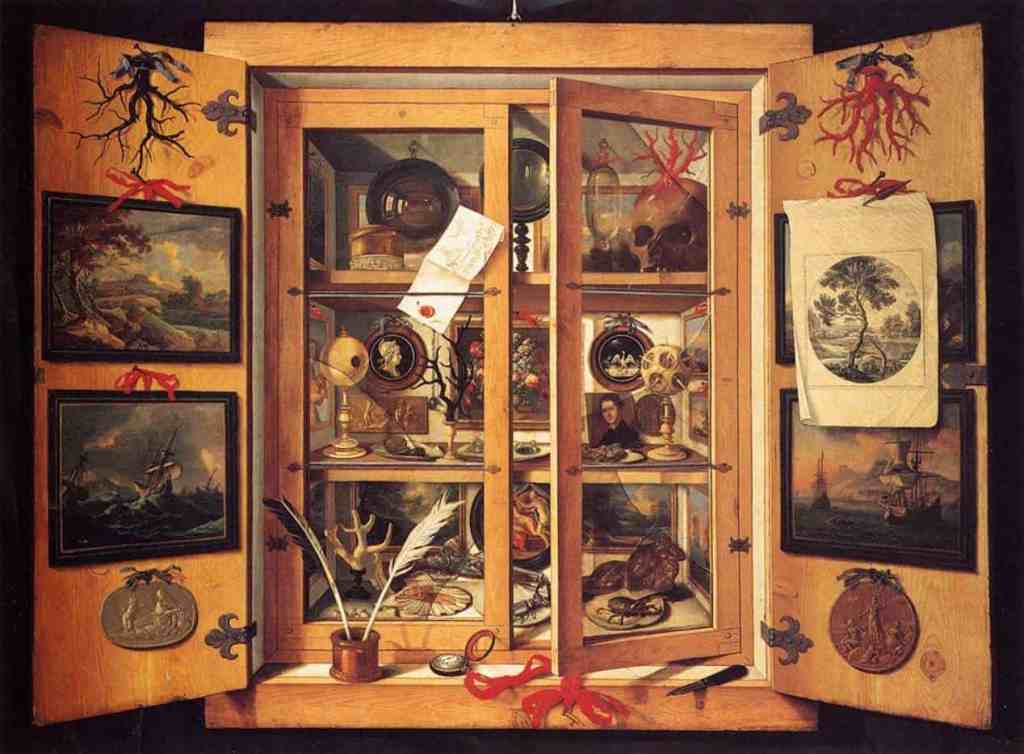
The desire to organize and display objects for study, wonder, and power can be traced back to the Renaissance period, when the Wunderkammer, or cabinets of curiosities, was invented. This typology spread through Northern Europe during the Renaissance . Some of the most famous collections are those of Rudolf II in Prague, of Emperor Ferdinand II, Archduke of Austria in Schloss Ambras in Innsbruck, or of the king of Poland, Augustus III. Also the merchant class and natural science men created cabinets of curiosity, anticipating what will then become a museum exhibition.
Domenico Remps, Cabinet of Curiosities, 1690, Museo dell’Opificio delle Pietre Dure, Florence, Italy.
Today, exhibitions have become community-centered, relevant, and truthful about history and the world around us. They show artifacts and offer important narratives about issues like colonialism, climate change, and justice(Summers, page 4). An exhibition is not just a well-organized collection of artefacts; it is a well-studied narration of events that can be challenging.
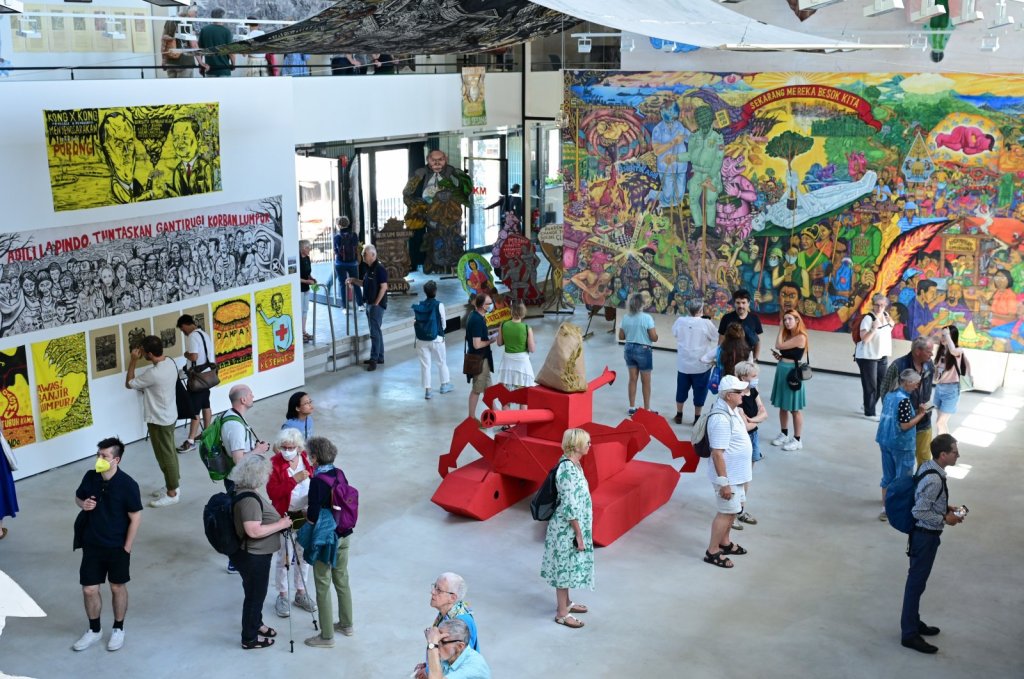
The brain behind good exhibitions.
“Only connect the prose and the passion”(E.M. Forster)
Museums are full of staff who believe in what they do. Educators, curators, interpretative planners, designers, and volunteers are prepared and passionate about their work. A well-functioning museum will know its mission statement; the staff’s work reflects this. They set learning objectives and evaluate their jobs carefully. The exhibition staff carefully craft what the public will learn or wish to learn. When considering exhibitions, the museum must consider the outcomes and effectiveness( Summers, page 4). The creation of exhibitions is a team effort. Multiple minds and voices add dimension to both content and approach( Chicone, Richard, Kissel, page 38).
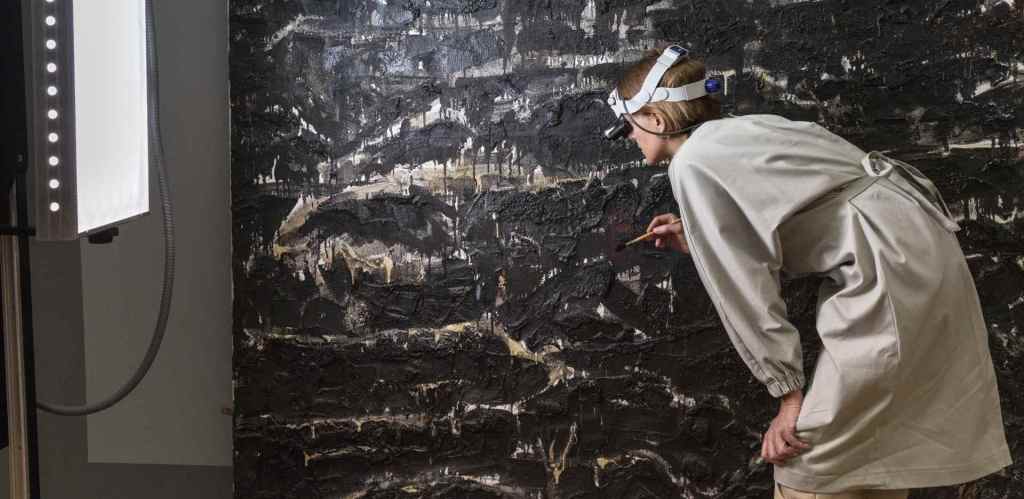
It takes two flints to make a fire(Louisa May Alcott).
A well-designed exhibition is a joint effort among the museum staff. For instance, the exhibition designer works with the curator to determine the exhibition’s narrative. It is a team effort because the exhibition has many parts to it. For instance, the education department will help the designer organize the space where the learning will happen. If schools come and visit the exhibition, they will need space to sit down. The education team may be planning a hands-on interactive that needs to be located in a quiet corner of the gallery, and the designer will take that into account( Young, page 58). The museum educators bridge art, what the artist wants to communicate, and public involvement.

Digital Technology is changing the way we view exhibitions.
When discussing digital technology, what comes to my mind is an enhanced or augmented reality created by transforming digital content into physical artefacts. For instance, South Korea is bringing home cultural assets stored in foreign museums with an innovative project to digitize them for use in real-time 3D environments.
Museums all over the world have come closer.
Using technology platforms, the museum can connect with the world outside or with other museums, giving a multi-dimensional view and interpretation of the work. The public can definitely have more unique experiences and follow their interests. We expect to see more museums take a hybrid approach, where they’ll offer a virtual component of an in-person experience.(Horizon Report, 2016).
What if you want to visit an exhibition in France but your students live in America.
For instance, while teaching my students, I had the opportunity to use technology to access the Musee du Louvre exhibitions. The museum digitized many of its exhibitions to make the museum accessible to all. The staff of this museum worked hard to develop an engaging kids section(https://louvrekids.louvre.fr/). The gallery itself went online in March 2021, displaying 35,000 works. Still today, the Louvre Kids online is very easy to use and organized, and it has developed nicely in the last few years. It would not have been possible without the museums collaborating with curators, educators, exhibition designers, digital technology specialists and a multitude of staff observing the behavior of the public in the museum setting.
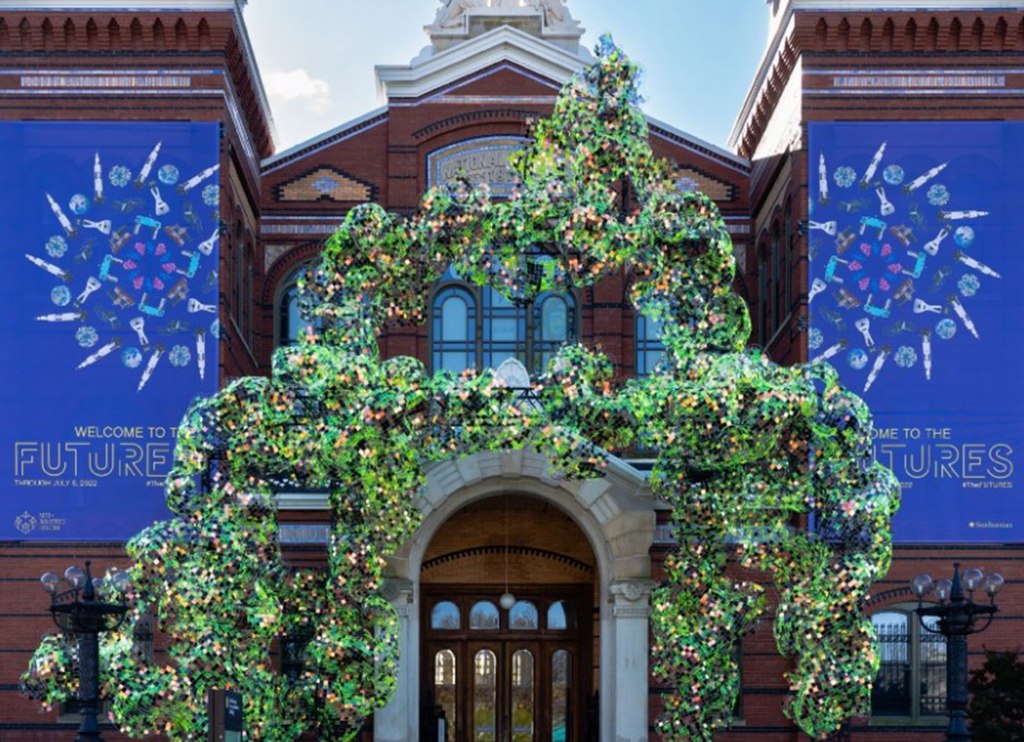
The digital technology experience makes museums far more accessible to people living far away or who are unable to access the museums or find museums intimidating. For instance, a Korean-American artist is helping the Smithsonian design a structure to support an installation on the building’s historic exterior. One of six exclusive commissioned pieces for the exhibit, “Expanded Present” invites visitors to cross the threshold of the present to past to future through a massive and ethereal cloud of reflective dichroic glass — a material invented by NASA — that envelops the entrance to “FUTURES.”Museums are considering the shifting of demographics, visitor expectations, and technologies. Many museums are rethinking their spaces and exhibitions to transmit a deeper understanding of their missions and greater interactivity, inclusivity and accessibility(Savage-Yamazaki. February 2022. The Future of the Museum Experience).
References
Summers, John.2018.Creating Exhibits that Engage. A Manual For museums and Historical Organizations. Pages 3-27
Chicone S. and Kissel R. 2014. Dinosaurs and Dioramas. Creating Natural History exhibitions. Chapter 3.
Young T. 2022. So you want to work in a Museum?Chapter 6:Exhibitions.
https://www.gensler.com/blog/the-future-museum-experience-diverse-inclusive-digital
https://80.lv/articles/south-korea-holds-a-cultural-heritage-digital-exhibition-powered-by-ue/#
 Museum studies
Leave a comment